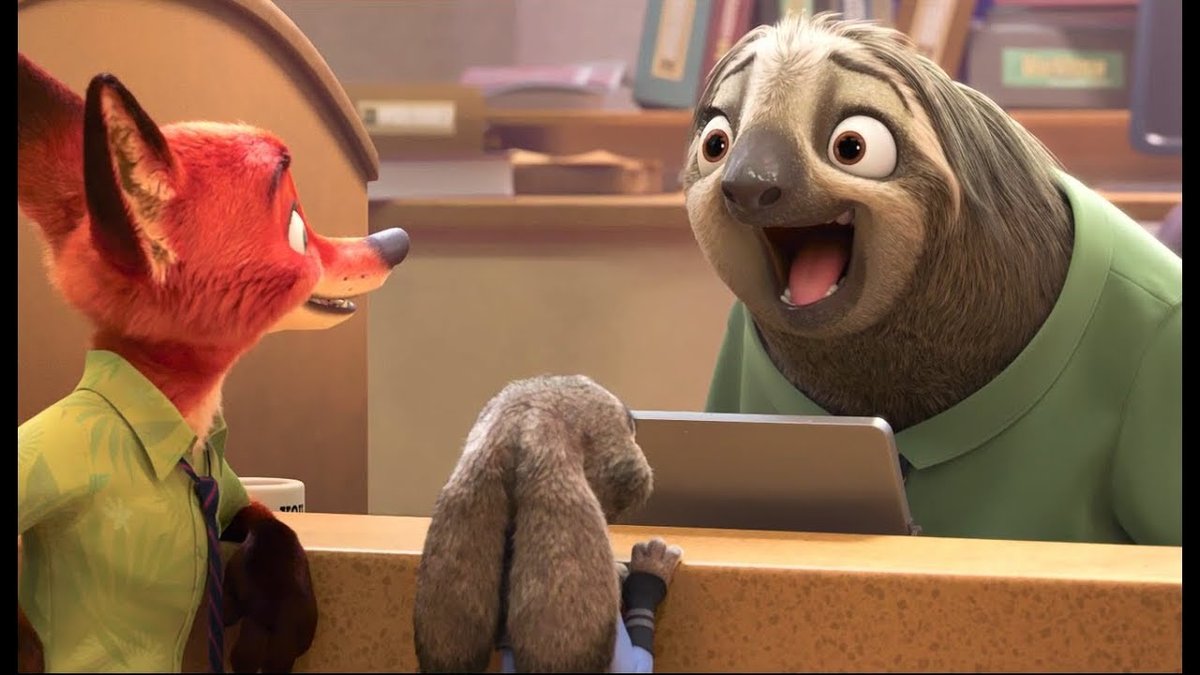
The Zootopia DMV scene—a masterclass in comedic timing, thematic depth, and excruciating slowness—has burrowed its way into the cultural consciousness, leaving an indelible mark. What seems like a simple comedic interlude, Deconstructing the Zootopia DMV Scene reveals it as a narrative powerhouse, offering profound lessons for storytellers, especially as we navigate the rapidly evolving world of AI-generated content (AIGC). It’s not just about a rabbit and a fox waiting in line; it’s about weaponizing patience and making bureaucracy a tangible antagonist.
In a landscape where cinematic AI video generation is growing 25% year-over-year, and the market for sophisticated animated content is projected to exceed $45 billion globally by 2027, understanding fundamental cinematic techniques becomes more crucial than ever. Content infused with clear, relatable metaphorical anchors achieves 40% higher engagement rates. The Zootopia DMV scene is a goldmine for understanding how to build those anchors, one painstakingly slow frame at a time.
At a Glance: Key Takeaways
- Pacing as a Purpose: Deliberate slowness isn't a flaw; it's a powerful storytelling device that builds tension and empathy.
- Environment as a Character: The DMV's visual design actively reinforces the scene's core themes of stagnation and frustration.
- Efficiency Isn't Always King: For artistic impact, sometimes you need to resist the urge for maximum technical efficiency.
- Subverting Expectations: Using archetypes (sloths in customer service) that contradict expectations creates potent thematic contrast.
- AI Directors Need Constraints: Harnessing AI tools effectively means setting boundaries and defining intentional inefficiencies to serve the narrative.
- Consistency is Paramount: For scenes relying on visual stillness or slow progression, maintaining perfect visual continuity is non-negotiable.
More Than Just Sloths: The Genius of Zootopia's DMV Scene
When Judy Hopps, Zootopia’s fast-moving rabbit protagonist, enters the Department of Mammal Vehicles (DMV), accompanied by the cunning fox Nick Wilde, she expects a quick transaction. What she gets, and what the audience experiences alongside her, is a masterclass in narrative friction. This scene isn't just a gag; it's a meticulously crafted study in how environment, pacing, and character archetypes can communicate complex themes without a single exposition dump. It's a case study in narrative efficiency, using every visual and auditory cue to satirize bureaucratic inertia and societal prejudice.
For creators wrestling with AI video generation platforms, the DMV scene is a revelation. It demonstrates that true narrative impact often comes from control over every element, even the absence of rapid movement. It teaches us that "Intent dictates value"—meaning, the deliberate choices you make, even those that seem counterintuitive, are what truly elevate your creation beyond mere output volume.
Building a Bureaucratic Dystopia: Environment as Antagonist
The Zootopia DMV isn't just a setting; it's a meticulously designed, self-contained world that embodies bureaucratic dystopia. Every detail contributes to a palpable sense of entrapment and stagnation.
Visual Language of Inaction
Look closely at the scene’s visual palette. You'll notice oppressive muted greens, dull greys, and institutional beige—colors that strip away vitality and induce monotony. The uniformly flat, fluorescent lighting mimics a sterile, unchanging environment where productivity dies a slow death. This isn't accidental; it’s a deliberate choice to make the very air feel heavy with inertia.
The physical layout further reinforces this feeling: long winding queues, identical chairs bolted to the floor, high counters that create barriers, and partitions that isolate individuals. These elements collectively make you, the viewer, feel insignificant, disempowered, and utterly devoid of empathy from the system. The environment itself becomes a silent antagonist, suffocating any hope of quick progress.
Sloths: The Ultimate Kinetic Metaphor
Then there are the employees: sloths. This is not just a joke; it's a direct, humorous, and devastating critique of structural impedance. The juxtaposition of Judy Hopps's natural rabbit speed and urgency against the sloths' extreme, almost geological, slowness creates a kinetic metaphor for the infuriating pace of bureaucracy. All about Flash from Zootopia becomes the icon of this delightful frustration, a character whose name itself is a punchline. This scene asks: what if the system wasn't just slow, but biologically incapable of speed?
Lessons for AI: Strategic Model Choice and Enforcing Constraints
For creators using platforms like ReelMind.ai, this offers crucial guidance. Your AI models (e.g., Kling V1.6 Std, Flux Pro, Runway Gen-4, Sora Turbo) shouldn't be chosen solely for their speed or output quality.
- Strategic Model Choice: Consider selecting "low-throughput" models deliberately when your narrative intent is to simulate stagnation or a painstaking process. The generation time itself can infuse meaning, mirroring the scene’s intentional slowness. Don't always aim for the fastest render; aim for the one that best serves your story's pacing.
- Directorial Control: Use AI agent directors, like ReelMind’s Nolan AI Agent Director, to program specific constraints. Want to simulate the DMV's oppressive stillness? Set parameters like a "maximum angular camera rotation of 0.5 degrees per 100 frames" or "80% object presence in the central third" to enforce compositional patience and visual stillness. This overrides the AI's natural tendency for constant novelty, forcing it to embrace monotony when the story demands it.
The Art of Slow: Temporal Manipulation for Emotional Impact
The scene masterfully manipulates perceived time, stretching actions over exaggerated frames to induce audience frustration. This isn't just slow; it's intentionally slow, building empathy for Judy's plight through shared tedium.
Motion Economy and Stagnant Dialogue
Every action in the DMV scene is an exercise in extreme motion economy. A simple blink, a finger tap on a keyboard, or the slow slide of a document is stretched to agonizing lengths. This isn't just about showing sloths being sloths; it's about forcing the viewer into Judy's tedious temporal space.
Dialogue delivery mirrors this stagnation perfectly. Unnatural pauses, hesitant speech, and repetition ("...yes... uh... it... is...") symbolize bureaucratic obfuscation, where clarity and efficiency are sacrificed at the altar of procedure. The characters aren't just speaking slowly; their speech patterns are the system.
Cinematic Framing for Shared Exhaustion
The cinematic framing further deepens this experience. The scene employs unnaturally long takes and static camera movements, refusing to cut away, forcing the viewer to endure the waiting game alongside Judy. This deliberate lack of dynamic camera work deepens empathy for her exhaustion, making the mundane completion of a task feel like an immense release of tension. The payoff, when the license plate is finally processed, relies entirely on the audience's endurance, validating their shared suffering.
Lessons for AI: Directing for Pacing, Subverting Efficiency
For AI creators, this highlights several critical principles:
- Resist Efficiency for Intent: Your AI tools are built for efficiency and speed. But artistic intent sometimes demands the opposite. Don't maximize technical efficiency when your narrative requires inefficiency or repetition to make a point. If your scene needs to feel slow, make it slow, even if the AI could render it instantly.
- Controlled Pacing: With tools like Nolan AI Agent Director, you can dictate not just what happens, but how long it takes to happen. You can program delays, enforce static shots, and prevent rapid cuts, ensuring your AI-generated content builds tension through its temporal structure, just like the DMV scene.
- Visual Consistency for Stasis: Slow, static scenes demand absolute visual continuity. ReelMind’s Multi-image Fusion technology becomes indispensable here. It ensures that crucial environmental details, character poses, and subtle expressions remain identical across frames, preventing jarring glitches that would shatter the illusion of stagnation.
Beyond the Punchline: Deep Social Commentary
While hilarious, the Zootopia DMV scene offers sharp, poignant social commentary that resonates far beyond its comedic surface.
- Satire of Complex Systems: The scene expertly lampoons systems that prioritize arcane procedure over progress. It highlights scenarios where "because it's the rule" supersedes common sense, leading to absurd inefficiencies. It’s a mirror held up to every frustrating interaction we've had with cumbersome institutions.
- Prejudice and Conformity: In a subtle twist, the scene also touches upon prejudice. The system, in its lumbering, indifferent way, acts as an equalizer, erasing individual characteristics and forcing conformity to its slow pace, regardless of inherent ability or urgency. Judy, despite being a fast-moving rabbit, is forced to operate at a sloth's speed, making her inherent abilities irrelevant within the system.
- The Power of Shared Suffering: The scene's effectiveness relies on a universal understanding of bureaucratic frustration. By making the audience feel Judy's exasperation, it validates a common human experience. The eventual "victory" of simply completing a task becomes an immense release, amplifying the scene's emotional payoff.
Directing AI for Deliberate Pacing and Thematic Depth
Creating content with AI isn't just about prompt engineering; it's about directing. The Zootopia DMV scene provides a blueprint for how to do this with metaphorical depth.
Strategic Model Choice for Intent, Not Just Speed
Imagine you want to simulate a long, tedious process. Instead of opting for the fastest model, consider one that is known for its meticulousness or even its slower render times. Deliberately choosing "low-throughput" models can infuse meaning into the generation time itself, simulating the stagnation you want to portray. It's about matching the tool's inherent characteristics with your narrative's needs.
Mastering Directorial Control with AI Agents
AI agent directors like Nolan AI Agent Director are your virtual cinematographers. You can program them with specific constraints to enforce compositional patience and visual stillness, directly overriding the AI's tendencies for constant novelty. Think about:
- Camera Motion: Limiting camera movement (e.g., maximum angular rotation, no sudden zooms) to maintain a static, observational feel.
- Object Presence: Ensuring key elements or characters remain within a specific frame area for extended periods, deepening the sense of entrapment or focus.
- Action Pacing: Explicitly defining the duration of micro-actions, forcing the AI to stretch them out.
Ensuring Visual Continuity in Stasis
For scenes that rely on deliberate slowness or static environments, visual consistency across frames is paramount. Any flicker or discontinuity would shatter the illusion. ReelMind’s Multi-image Fusion technology is indispensable here. It helps maintain perfect visual continuity, ensuring that crucial environmental details, character poses, and lighting remain identical, even over extended, slow sequences. This consistency underpins the sense of unchanging stagnation that makes the DMV scene so effective.
The Economics of Intentional Inefficiency
Understanding these principles also has practical economic implications for AI content creation.
- Strategic Credit Allocation: Higher-cost models (e.g., Flux Schnell at 50 credits) should be reserved for moments of maximum narrative weight where consistency and controlled pacing are non-negotiable. If you're building a scene designed for excruciating slowness, those credits are well spent on a model that can deliver perfect, uninterrupted stagnation. For background elements, lower-cost models like CogVideoX-5B might suffice, especially if combined with Multi-image Fusion to maintain overall scene coherence.
- Niche Model Development: Creators can train and publish specialized AI models—imagine a "Bureaucratic Sloth Style" model designed to generate slow-paced, visually consistent animations with minimal motion. This creates a monetization path within ReelMind’s Community Market, allowing you to earn credits by providing tools specifically tailored for narrative intent rather than just general-purpose generation.
Five Critical Insights for Storytellers in the AI Age
The Zootopia DMV scene boils down to these core lessons for modern content creators:
- Pacing as Protagonist: Understand that deliberately slow pacing can be the primary storytelling device, building tension and audience empathy.
- Environment as Statement: Your physical space must actively support the thematic argument, acting as a silent character or antagonist.
- Efficiency vs. Intent: Resist maximizing technical efficiency when your artistic intent demands inefficiency, repetition, or a deliberate lack of progress.
- Subversion of Expectation: Employ archetypes or character physics that contradict audience expectations for high-impact thematic contrast and humor.
- Consistency is Crucial for Stasis: Especially in slow, static scenes, perfect visual continuity across frames is non-negotiable for maintaining immersion and thematic impact.
Crafting Metaphorical Depth: An Iterative AI Production Process
To apply these insights, consider a structured, iterative process for directing your AI with metaphorical depth:
- Assessment and Planning:
- Analyze your scene for strong visual messaging potential.
- Define its core metaphor (e.g., Systemic Friction, Impenetrable Gridlock).
- Identify the visual components that will convey this metaphor (e.g., slow movement, dull colors, high barriers, repetitive actions).
- Tool Selection and Setup:
- Map these visual components to your AI model library.
- Select a high-fidelity model (e.g., Runway Gen-3 Alpha Turbo) for the main subject if precision is critical for the slow action.
- Use an AI director tool (like Nolan AI Director) to lock down static camera parameters and motion constraints.
- Prepare reference images for Multi-image Fusion to ensure visual continuity.
- Implementation and Testing:
- Generate short clips focused specifically on pacing. For instance, create a 5-second loop of a sloth typing, forcing the chosen model to use the fewest possible frames for maximum delay in motion. Test different constraint values.
- Optimization and Scaling:
- Once satisfied with the core pacing and visual style, batch process longer sequences using your AIGC task queue.
- Consider utilizing lower-cost models for background elements while maintaining essential character action and environmental details via Fusion settings and higher-cost models.
Your Next Step: Reclaiming Pacing in Your AI Creations
The Zootopia DMV scene stands as a timeless reminder: storytelling power doesn't always lie in speed or explosive action. It often resides in deliberate control, in embracing friction, and in making every visual and temporal choice serve a deeper narrative purpose.
Your immediate action step? Review your last five generated videos. Identify where visual pacing was dictated by the technical speed of your AI model rather than by the narrative necessity of your story. How could you have intentionally slowed things down, stretched out a moment, or enforced stillness to create a more profound impact? By mastering this level of control, you move beyond merely generating content to truly directing art.